Synthetic Roof Installation Tips for Residences Subjected to Snow and Wind
Homes that deal with lengthy winter seasons, drifting snow, and difficult seasonal wind require more than a roofing that looks excellent from the street. They require a roof setting up that sits tight when gusts start prying at edges, sheds snow without creating chronic ice problems, and manages freeze-thaw cycles every year. That is where synthetic roofings have actually made actual regard in the field.
I have actually seen a lot of attractive roofings fall short early, not since the product itself was inadequate, but since the installment did not represent neighborhood weather. A high roof covering in an open class behaves in a different way than a sheltered roofing under fully grown trees. A valley that functions penalty in a mild environment can come to be the weak point after a hefty Chicago snowfall adhered to by a sudden warmup and refreeze. With building synthetic roofing, the information matter as long as the product label.
For home owners taking into consideration residential artificial roofing, especially in places with winter exposure like northern Illinois, the conversation needs to work out past shade and account. Premium artificial roofing can simulate slate, cedar shake, or designer shingles wonderfully, however efficiency originates from the whole system: deck condition, underlayment, flashing, fastener pattern, air flow, and installment methods tailored to wind and snow load.
Why synthetic roofing has become a serious option in extreme climates
Synthetic roofing shingles are no longer treated as a specific niche material. The better items have matured considerably in the last years. They are lighter than all-natural slate, commonly a lot more dimensionally constant than wood, and much easier to install accurately when the staff recognizes the supplier's specs. For homes exposed to wind, that consistency issues. Unequal thickness and variable splitting, which can complicate setup with some natural products, are much less of a concern with durable synthetic roof covering systems.
Weight is another practical advantage. A house might like the appearance of slate, however not every roofing system framework wants the tons of true rock, particularly when several inches of damp snow are added on top. Synthetic roofing system substitute frequently ends up being eye-catching when property owners desire a premium profile without pricey structural reinforcement. On customized develops and artificial roof for deluxe homes, that versatility opens up style choices that would certainly otherwise be more challenging to justify.
That stated, not all artificial roofs are equivalent. There is a vast array in polymer blends, UV security, influence scores, fire ratings, and accessory offerings. One artificial roof company might bring products focused on cost-conscious jobs, while an additional focuses on costs artificial roofing with matching ridge, starter, and hip parts. In snow and wind area, those distinctions appear sooner.
Start with the roofing system layout, not simply the material sample
The largest blunder I see is dealing with artificial roof covering installation like a simple material swap. A roofing system in a severe climate should be planned as a weather monitoring system. Before a single package or pallet shows up, the professional needs to examine roof pitch, overhang depth, valley layout, smokeshaft penetrations, soffit intake, ridge exhaust, and just how snow generally crosses the roof plane.
Wind direct exposure deserves honest interest. A home on a broad corner whole lot, a ridge, or near open farmland sees uplift stress very in different ways from a home tucked among surrounding frameworks. If the home has multiple gables, dormers, and long eaves, those edges and shifts come to be high-risk areas. That is where a competent synthetic professional roofer will commonly spend additional time on attaching design and blinking details.
Snow produces a different collection of troubles. It tons valleys, stacks behind chimneys, and melts unevenly where attic heat runs away. In the Chicagoland location, freeze-thaw biking can be unrelenting. A roof that heats during the day and locks up once again overnight will examine every seam, nail positioning, and blinking bend. A synthetic roofing contractor Chicagoland house owners trust should speak about those characteristics early, not after the price quote is signed.
Deck problem determines greater than a lot of property owners realize
Synthetic items are forgiving in some ways, yet they are not a cover-up for a weary roof deck. If the decking has soft spots, edge rot, delamination, or uneven aircrafts, those flaws tend to telegraph into the ended up roof covering or lower bolt holding power. In solid wind, that is not a cosmetic problem. It is an architectural one.
During synthetic roof covering substitute, demand a full deck examination after tear-off. I have seen roofing systems where the old product looked functional from the ground, once gotten rid of, numerous sheets near valleys and eaves were jeopardized from years of minor leakage and condensation. Replacing those areas added cost in the moment, yet it stopped a much bigger fixing later.
Fastener retention depends upon sound substrate. When makers define specific nail size, placement areas, and penetration depth, they are not filling up the instruction sheet with legal language. They are trying to ensure the installed roof covering can meet the expected wind rating. A synthetic roof covering installers team that hurries this action can threaten a very good product.
Underlayment is where cold-climate roofings silently succeed or fail
Homeowners typically concentrate on the noticeable roofing product, however in snow nation the underlayment does a significant amount of work. Water does not always move right downhill. Wind-driven snow can press dampness upwards under revealed edges, and ice dams can compel meltwater back beneath the primary roofing system covering.
On homes revealed to snow, I generally such as to see a robust ice and water membrane at eaves, valleys, around smokeshafts, around skylights, and in other leak-prone transitions. Depending upon regional code, roofing geometry, and historic climate seriousness, lots of professionals will certainly expand that membrane layer well past the minimal code line. On the equilibrium of cost versus security, that is normally money well spent.
In more comprehensive area areas, a quality synthetic underlayment can add tear resistance and short-lived dry-in security, specifically during uncertain winter organizing. When an artificial roofing firm claims the roof covering system consists of underlayment, ask which one, where it is being utilized, and why. "System" is one of those words that appears encouraging up until you select the actual components.
Wind resistance comes down to sides, fastening, and discipline
When wind damages a roofing, the failure typically starts at the boundary. Corners, rakes, eaves, ridges, and revealed shifts take the initial hit. As soon as wind gets under a weak edge, the stress can take a trip fast. I have actually seen roofs lose only a few items in the beginning, after that open drastically in the next tornado due to the fact that the initial repair service disregarded the underlying uplift issue.
That is why edge steel, starter programs, and fastener positioning require to be exact. A professional artificial roofing contractor will not "eye it" when the manufacturer offers a required nailing zone. If an item calls for six nails per item in a high-wind application, utilizing four due to the fact that it feels sufficient is not craftsmanship. It is a gamble.
This is also where training issues. Some contractors are outstanding with asphalt but less familiar with architectural artificial roof covering profiles that have different exposure lines, securing attributes, or accessory items. Synthetic roof installers need to understand the specific item on the truck that day, not artificial roofing in the abstract.
A few installment factors are entitled to special focus on windy, snowy homes:
- Reinforce eaves, rakes, and edges according to the supplier's high-wind requirements.
- Use the specific fastener kind, size, and quantity specified for the deck and product.
- Install starter, hip, and ridge devices that are designed for the roofing line, not improvised substitutes.
- Keep direct exposure and alignment tight so wind can not exploit irregular spaces or lifted edges.
- Verify that flashing and edge metal sequencing guides water out, even if snow supports temporarily.
That list sounds fundamental, however in the area, those are the information that separate a roofing system that endures rough winters from one that comes to be a recurring solution call.
Snow dropping is excellent, up until it produces a brand-new hazard
One underappreciated function of several artificial roofs is how effectively they lost snow. Compared to rougher surfaces, some synthetic profiles allow snow to launch more easily. That can reduce extended loading, which is valuable, yet it can additionally develop sudden snow slides over entries, decks, walkways, and reduced roof covering sections.
This is where product choice and roof covering geometry must be gone over with each other. On a high front-facing roofing system above a hectic access, the owner may gain from a snow retention strategy. On one more section, complimentary losing may be better to minimize hefty accumulation. There is no universal answer. A good installer evaluates safety and security, aesthetic appeals, and moisture administration together.
Homes with multiple converging roofing planes need added thought right here. Snow gliding from an upper roof can influence a lower section with enough pressure to tension flashings, gutters, or guards if they are not designed for it. I have actually seen reduced valleys loaded hard with snow and ice simply since the top roofing unloaded onto them consistently all season.
Ventilation still matters, despite outstanding materials
Premium synthetic roof will not fix attic heat imbalance. If warm interior air leakages right into the attic or ventilation is inadequately stabilized, snow can melt erratically on the roofing deck, after that refreeze at cooler eaves. That is the number of ice dams begin. The roofing covering gets blamed, but the origin problem is usually inside the building envelope.
A proper analysis must consider insulation levels, air sealing, soffit intake, baffles, and ridge or high-exhaust capacity. The objective is a roofing deck that remains as close as functional to the exterior temperature level in winter. If that appears even more like building science than roof covering, that is due to the fact that it is. In cool environments, roofing performance sits right at the junction of both.
For home owners in artificial roofing Chicago markets and western suburban areas such as synthetic roofing Naperville IL projects, this is especially relevant since winter months weather condition has a tendency to cycle in between deep cool, damp snow, thaw, and refreeze. That sequence punishes any type of weak point in ventilation or insulation.
Valleys, smokeshafts, and penetrations are worthy of far better than "common detail"
Most leaks do not happen in the broad field of the roof covering. They occur where products alter direction, where water concentrates, or where something pokes through the aircraft. Valleys network big quantities of water and dissolved snow. Chimneys interrupt drainage and develop drift areas. Plumbing stacks, satellite places, skylights, and air vent hoods each add one more opportunity for moisture intrusion.
I am wary whenever a proposition glosses over these areas with common language. On high-end domestic artificial roof, specifically artificial roof covering for high-end homes with complex architecture, information work is where the setup makes its cost. Counterflashing need to be crisp. Saddle flashing behind broader chimneys should be considered where ideal. Valleys need to be constructed with both drain and snow actions in mind.
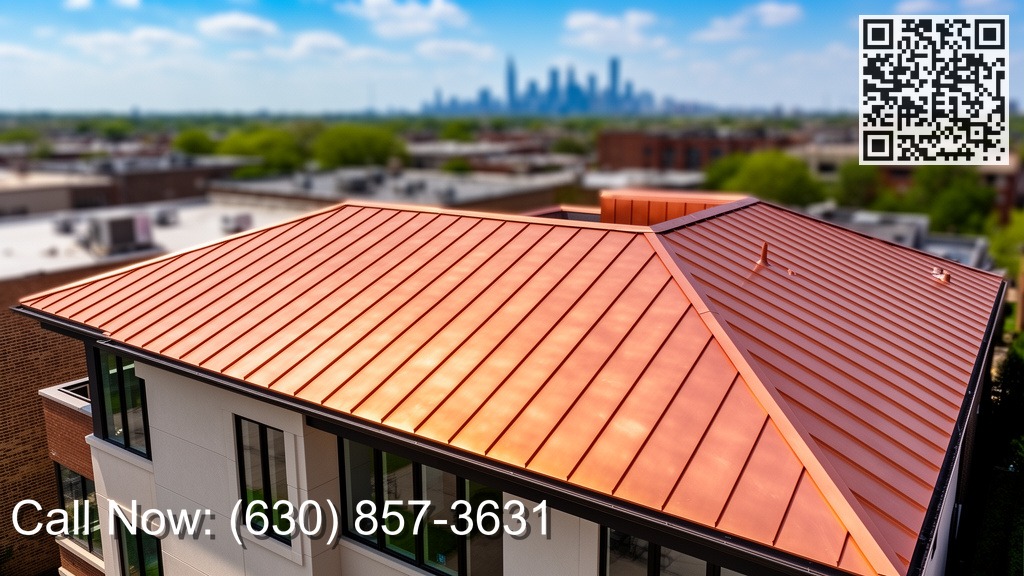
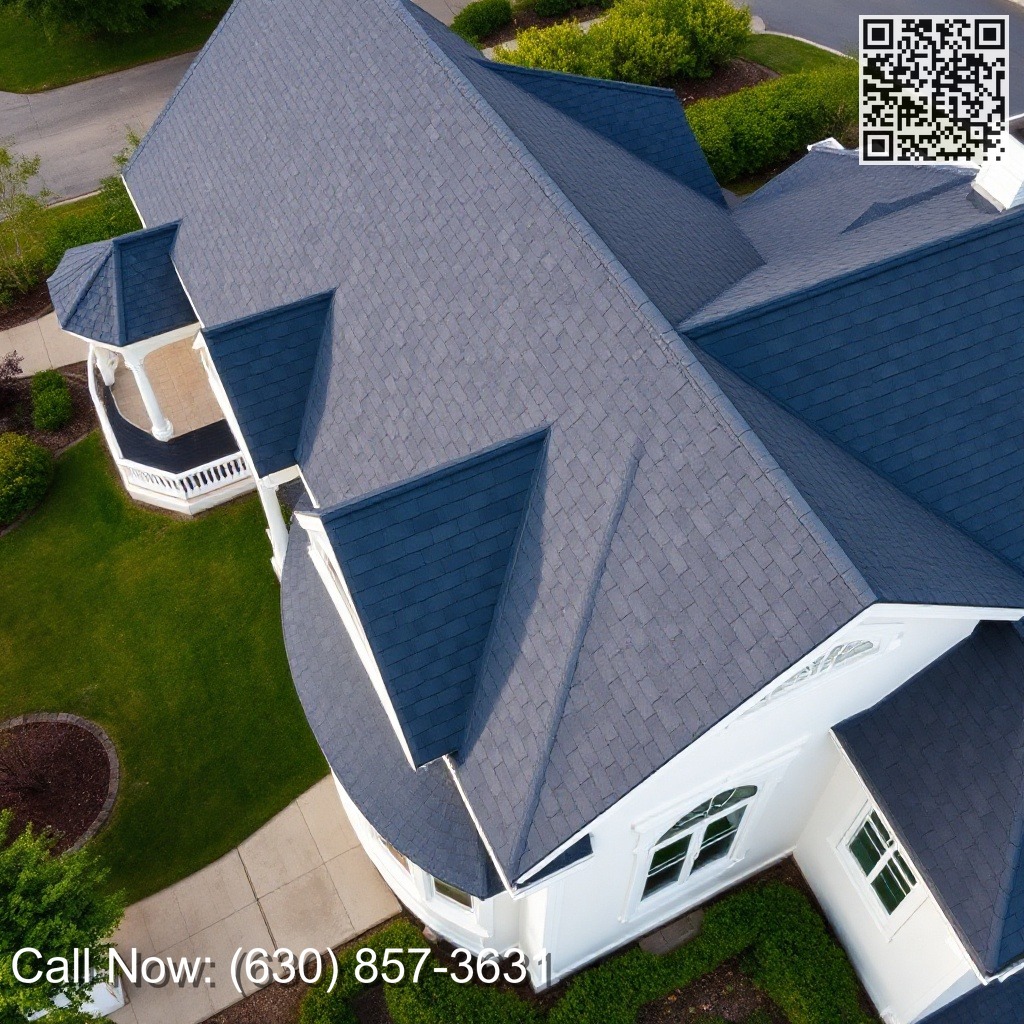
One useful instance: open valleys can execute quite possibly, yet they need tidy geometry and compatible steels. Closed-cut or woven techniques might match other roofing system kinds much better, depending on the product. With synthetic roofing shingles that copy slate or shake, the valley technique need to match both the product and the climate. There is no reason to compel an acquainted method if the maker recommends another path.
Cold-weather scheduling can affect setup quality
Winter roofing is possible, however it requires self-control. Some artificial items deal with low temperature levels better than others. Sealants act differently in the cold. Team speed goes down when surfaces are icy and daylight is short. That does not immediately mean the job should be delayed, yet it does suggest the routine and methods require adjustment.
A seasoned synthetic roofing contractor should be candid about this. If temperature levels are near product limits, if snow cover stops proper substratum preparation, or https://milodfre773.lumenforgex.com/posts/artificial-roofing-naperville-il-smart-protection-for-year-round-extremes if the roof covering can not be kept securely completely dry throughout installment, holding off a day or presenting the job differently might be the smarter step. It is far much better to accept a short delay than thrill a long-term assembly under temporary pressure.
The best teams prepare for climate windows. They protect exposed areas boldy, phase products so pieces stay clean and manageable, and avoid faster ways that typically appear when a storm is forecast for the following morning.
Choosing the best installer matters as high as selecting the best roof
People usually ask whether the brand or the specialist matters a lot more. In rough environments, I would certainly state the specialist first, then the brand name, supplied the brand name is trustworthy. A solid product can be destroyed by casual craftsmanship. An experienced staff can make an excellent item carry out as planned for decades.
When evaluating a synthetic roof business, ask certain concerns. Have they mounted this precise product before? Do they adhere to producer training or accreditation programs? Exactly how do they manage ice and water protection in valleys and eaves? What adjustments do they make for high-wind areas? Can they clarify ventilation approach in ordinary language? If the answers stay unclear, maintain looking.
A reliable specialist also understands the aesthetic side. Many house owners pick building artificial roof covering since they want the appearance of slate or cedar without the exact same maintenance concern or structural weight. Good installers protect that layout intent by maintaining gushing clean, cuts well balanced, and accessory items constant throughout the roof.
Here are a couple of indications that you are speaking with the appropriate team:
- They discuss the roof covering as a system, not just a roof shingles or tile.
- They inspect outdoor decking, attic air flow, and blinking conditions before completing scope.
- They can explain producer needs without guessing.
- They discuss local snow and wind actions, not generic national averages.
- They provide a clear prepare for shielding landscaping, rain gutters, and susceptible roof covering transitions.
That sort of discussion normally tells you more than a shiny pamphlet ever will.
Cost, value, and where superior alternatives make sense
Synthetic roof covering replacement usually costs extra in advance than common asphalt, but the worth equation is not almost first rate per square. In snow and wind direct exposure, house owners ought to weigh durability, anticipated upkeep, visual longevity, architectural considerations, and insurance policy effects where applicable.
Premium artificial roof covering makes the most sense when the house architecture asks for a polished profile, when the owner desires lower maintenance than natural wood, or when all-natural slate's weight develops complications. For some house owners, the determining aspect is curb charm paired with storm resistance. For others, it is the capacity to obtain a high-end appearance without restoring framing to lug a much heavier roof.
Still, costs does not imply overbuilt in every instance. A decently sized home in a protected setup may not require one of the most costly product line if a mid-tier synthetic roof meets the performance needs and the installment is excellent. Good judgment suggests matching the roof to your home, not immediately reaching for the top shelf.
A local viewpoint for snowy, gusty markets
In north Illinois, the obstacle is not simply one climate event. It is repetition. Snowfall, drifting, wind uplift, ice, thaw, rain on snow, then another freeze. A roof may look fine after one winter months and start revealing tension after the third or 4th if details were missed. That is why homeowners searching for artificial roofing Chicago specialists or a synthetic roofer Chicagoland team must favor neighborhood experience, particularly with homes that have currently endured several winters.
The very same opts for suburban projects. A crew doing synthetic roofing Naperville IL job should recognize community direct exposure patterns, common attic problems in the local housing supply, and just how community code intersects with supplier recommendations. Regional knowledge is not marketing fluff when weather is a major layout load.
What a well-installed artificial roof covering should seem like after the first storm season
After a correct synthetic roofing installment, the signs are typically subtle. You do not listen to pieces rattling in hard wind. Snow and meltwater move where they should. Attic assessment shows no fresh staining around penetrations or valleys. Gutters are not packed with unusual particles. Edges remain cool, ridges remain lined up, and absolutely nothing concerning the roof requests attention.
That quiet efficiency is the objective. The roof covering should not become one of the most interesting part of winter. It should simply manage the season.
For homeowners evaluating artificial roofs for a snow- and wind-exposed home, the very best recommendations is uncomplicated: select an item with tested requirements, yet placed equivalent energy right into picking the installer and examining the details of the assembly. Ask how the roof covering will take care of uplift, wandering, ice back-up, air flow, and concentrated overflow. Press for specifics. On a tough home, those solutions matter far more than a sample board in perfect showroom lighting.
When artificial roof are picked thoughtfully and set up with technique, they can offer an engaging mix of resilience, appeal, and useful efficiency. That is especially true for residential artificial roofing in environments where winter season examinations every shortcut. A roofing does not require to be fancy to be outstanding. In snow and wind nation, excellent typically implies it is still doing its task long after the tornado has passed.
When Quality Matters
Salvo Architectural Roofing Contractors
566 West 5th Ave Naperville, IL 60563
(630) 857-3631
 Ask ChatGPT
 Ask Grok
 Ask Perplexity
 Ask Claude
 Ask Google AI
 Ask You