Just How Synthetic Roof Installers Prepare Houses for Year-Round Exposure
A roofing does much more than cap a home. It manages water, resists wind uplift, barriers temperature level swings, and shields every layer under it from slow-moving, pricey damages. That work gets harder in environments where a home sees blazing summer season sun, freeze-thaw cycles, sleet, heavy rainfall, and wind in the exact same calendar year. In those conditions, artificial roofing installers do not merely fasten shingles and leave. They prepare the whole home, from deck to blinking to air flow course, so the roof system can handle year-round exposure without ending up being the weak point of the building envelope.
That prep work matters even more with synthetic roofings since the product is often chosen for efficiency as much as appearance. Several home owners are drawn to architectural synthetic roofing due to the fact that it can simulate cedar shake, slate, or floor tile while avoiding a few of the upkeep and weight worries of all-natural products. Others want costs artificial roof for a custom-made build or synthetic roof covering for deluxe homes where visual charm is non-negotiable. In either instance, the completed appearance only carries out as assured if the installment job beneath is thoughtful and exact.
I have actually seen superb materials stop working early since the staff treated the task like a standard tear-off and reroof. I have also seen residential artificial roofing outperform expectations for several years because the installer focused on the information no one notifications from the road. The difference usually turns up long before the first tile goes on.
Preparation starts with the house, not the product
A seasoned synthetic roofer begins by looking at the home as a system. The roofing covering is just one layer. Below it are the deck, underlayment, blinking changes, consumption and exhaust ventilation, insulation problems in the attic room, and the water drainage course that carries water away from the framework. If any of those pieces are weak, a brand-new roofing system can acquire old problems.
That first evaluation is normally more enlightening than property owners expect. A home may have minor deck rot around a smokeshaft chase, old action blinking hidden under house siding, soft areas near a valley, or indicators of condensation in the attic room that have absolutely nothing to do with the shingles currently on the roof. A good synthetic roofing company does not paper over those problems. It records them, describes what needs correction, and develops the synthetic roofing installment around the facts of the house.
This is especially vital with artificial roof developed to reproduce slate or drink accounts. Those items frequently have specific fastening, spacing, and incline requirements. They can be flexible in some ways, yet they are not magic. If the substratum is irregular, if ventilation is inadequate, or if wetness is currently trapped in the setting up, premium materials can not fix those problems on their own.
Why year-round exposure alters the installation approach
A roof covering in a mild environment can escape even more shortcuts than a roof covering in the upper Midwest. In places with broad seasonal swings, such as synthetic roof Chicago projects or homes requiring an artificial roofing contractor Chicagoland, setup options have to represent activity, ice, moisture, and sun direct exposure all at once.
Winter subjects weak points around eaves, valleys, and penetrations. Water supports behind ice, finds a staple hole or flashing void, and functions its way inside your home. Spring discloses whether water drainage was planned effectively. Summer season stresses the roofing with UV exposure and thermal growth. Fall examinations whether leaves, debris, and wind-driven rainfall will bewilder the vulnerable junctions on the roof plane.
Synthetic roof tiles are frequently selected since they resist fracturing, splitting, or the type of weathering related to some traditional materials. That is a real benefit, however it does not change the installer's responsibility to plan for seasonal stress and anxiety. The strongest roof covering on the planet will still leakage if a sidewall flashing was put badly or if an exhaust air vent was installed out of plane.
The tear-off tells the real story
On replacement tasks, especially synthetic roofing replacement, one of the most useful information commonly shows up only after the old roofing system comes off. Spots concealed beneath underlayment, nail exhaustion in the deck, fell short blinking information, and years of patchwork fixings come to be visible at one time. Experienced artificial roof installers recognize that this is the moment to slow down and inspect, not hurry to dry-in and maintain the routine moving.
I keep in mind a replacement task on a large home where the owner was concentrated almost completely on visual appeals. They desired a synthetic product that appeared like hand-split cedar, with darkness lines deep enough to match the architecture. As soon as the tear-off begun, the crew found duplicated dampness intrusion around two dormers and a chimney cricket that had actually been framed as well shallow to drop water effectively. From the ground, none of that was apparent. Had the group merely installed new premium synthetic roofing over the existing geometry, the attractive new roof would certainly have acquired the exact same leakage pattern by the next storm season.
That is one factor reputable contractors build contingency language into proposals. Not since they want to upsell every project, but because concealed problems are common and the right repair in some cases only ends up being clear once the old assembly is open.
Deck stability is non-negotiable
Synthetic roof products depend on a steady nailing surface area. If the roofing deck bends, swells, delaminates, or contains sections deteriorated by rot, attaching patterns can stop working and the roofing system can lose the crisp positioning that makes these materials attractive in the initial place.
Preparation at this stage typically consists of changing jeopardized sheathing, refastening loosened areas, and fixing unequal changes where old fixings left ridges or dips. On older homes, installers might uncover blended products on the same incline, such as initial board decking alongside newer sheet items. That is not instantly a trouble, yet it frequently requires judgment. Fastener holding power, underlayment behavior, and ended up appearance can all change when the substrate differs throughout a plane.
For building synthetic roof that copies slate, small deck abnormalities can telegram via the finished work in manner ins which are tougher to overlook than on less complex asphalt roofing systems. The installer has to assume beyond watertightness and represent sightlines, direct exposure consistency, and the visual rhythm of the roof.
Underlayment does more work than the majority of property owners realize
Underlayment is often talked about like a box to examine, but on a well-prepared roof it works as an important additional protection. When a home faces year-round exposure, underlayment strategy ought to mirror environment, roofing system geometry, and the supplier's specs for the picked artificial roofing systems.
At the eaves, susceptible valleys, and low-slope changes, self-adhered ice and water defense is typically utilized to guard against back-up and wind-driven dampness. Across the area of the roofing, synthetic underlayment may be selected for tear resistance, walkability, and much better weather condition direct exposure during installment. The precise mix depends on slope, complexity, and local conditions.
A homeowner comparing quotes may not see the distinction between a contractor who prepares the underlayment in layers and zones versus one that treats the whole roofing system with a one-size-fits-all strategy. Yet that distinction often appears years later, when a blinking side gets stressed in winter or a rain event pushes water where it normally would not go.
Flashing is where craftsmanship shows up
If there is one area that divides a cautious synthetic roofer from a rushed one, it is blinking. Smokeshafts, skylights, pipes vents, sidewalls, dead valleys, roof-to-wall crossways, and dormer transitions are the areas where water testing materializes. A roofing covering can be exceptional, yet if blinking information are weak, the setup is at risk from day one.
Good blinking job is rarely significant. It is determined, layered, and frequently hidden. Step flashing must incorporate properly with the wall surface assembly. Counterflashing must lose water as opposed to catch it. Valleys should be described according to both product needs and runoff quantity. Pipe boots should match the profile and expected movement of the roofing system surface. Steel sides need to be set up with the drainage course in mind, not just appearance.
In markets with winter season weather condition, such as artificial roof covering Naperville IL and more comprehensive Chicagoland areas, blinking details deserve extra treatment because freeze-thaw cycles make use of small errors. A pinched underlayment joint or severely washed steel edge may survive a few dry months, then fail during a freezing rainfall when water sticks around where it needs to not.
Ventilation belongs to roof preparation, not a different upgrade
Homeowners frequently think of attic ventilation as a power subject, however, for a roof covering installer it is likewise a sturdiness topic. An out of balance or blocked air flow system can add to warmth build-up, trapped dampness, ice dam problems, and premature aging of roofing system components.
When synthetic roofing system installers prepare a home for full seasonal exposure, they consider intake and exhaust with each other. Soffit vents blocked by insulation, ridge vents set up over inadequate intake, or old box vents left in place without a meaningful air flow strategy can weaken a new roof assembly. The objective is not to chase a generic formula. It is to create a practical air course that matches the house.
That is particularly crucial on bigger custom homes where rooflines are cut up by dormers, hips, valleys, and decorative functions. Synthetic roof for luxury homes often involves complex geometry, and complex geometry often tends to produce silence pockets and difficult wetness patterns in the attic. A contractor with actual experience accounts for that prior to the noticeable roof covering goes on.
Seasonal exposure means preparing the sides carefully
The roofing system edge is where several weather events become architectural issues. Wind assaults the perimeter initially. Ice typically develops at the eaves. Overflow from blocked gutters backs water under the initial courses. Sun direct exposure can be harsher at subjected rake edges, depending on orientation.
This is why installers put a lot initiative into drip side placement, starter programs, overhang dimensions, and seamless gutter positioning. The information are little, yet they identify whether water easily departures the roof or curls back into the setting up. On artificial roofing installment tasks, edge outlining have to likewise value the account and fastening pattern of the roof material so the first and last courses continue to be secure and aesthetically consistent.
A surprisingly typical failure point is the transition between brand-new roofing and older gutter systems. If rain gutters are undersized, incorrectly pitched, or put too firmly under the roofing side, even a quality new roofing system can have a hard time throughout tough rain. A complete installer flags those problems early as opposed to assuming someone else will certainly take care of them.
What experienced teams usually inspect before installation
Before the roofing covering is set up, a qualified team has usually examined a number of conditions that straight affect long-lasting efficiency:
- Deck condition, including rot, delamination, loosened panels, and irregular sections
- Drainage paths at valleys, eaves, crickets, and roof-to-wall transitions
- Ventilation balance in between consumption and exhaust
- Condition and compatibility of blinking, infiltrations, and edge metal
- Manufacturer demands for slope, attachment, layout, and accessory components
That list appears basic, but the worth is in just how it is analyzed. A much less seasoned staff may take a look at those very same 5 locations and miss what matters. A skilled artificial roofing company can review the evidence left by the previous roof covering and change the installment plan prior to concealed weaknesses become call-backs.
Layout matters much more on artificial profiles than several expect
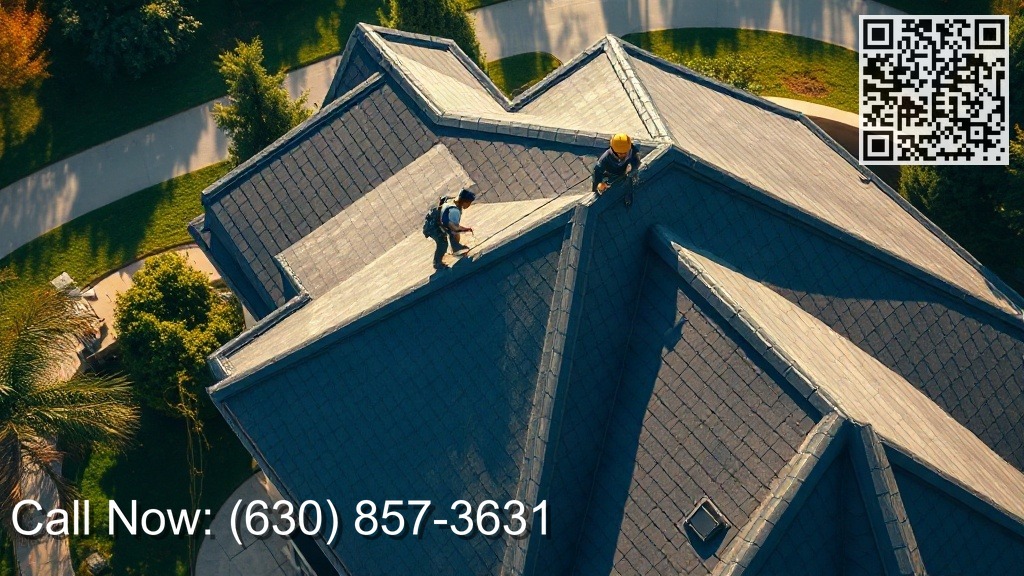
One of the marketing points of artificial roofings is look. House owners want the depth of cedar shake, the measurement of slate, or the polished look of floor tile without several of the burdens those all-natural products bring. To provide that result, installers must pay attention to format from the first course onward.
That includes direct exposure spacing, balance out patterns, mixing of roof shingles widths where relevant, straightness at long eaves, and alignment across valleys and dormers. Minor format drift may be barely noticeable on simple roofing, however on architectural synthetic roof covering it can influence the whole character of the finished home.
I have actually seen tasks where the material itself was outstanding, however the roofing looked uncertain because the crew did not regulate surging and aesthetic balance. On larger homes, that problem becomes apparent quick. Excellent synthetic roofing system installers comprehend that costs synthetic roof is judged both up close and from fifty lawns away.
Fastening patterns and manufacturer details are not optional
Every synthetic product has its very own guidelines on nails, exposure, overlap, accessory use, and appropriate inclines. Installers who jump in between roof covering types without appreciating those specifics can create failings that may disappoint up immediately.
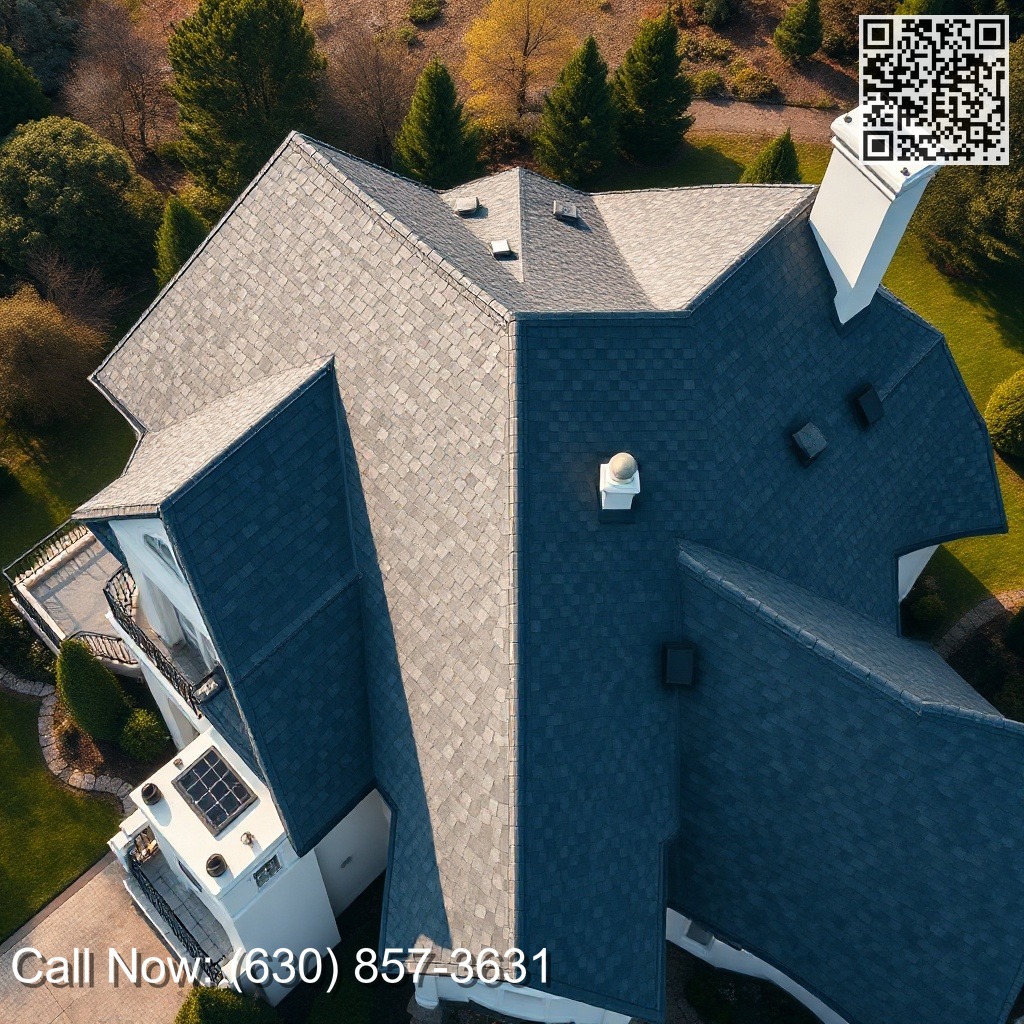
Some products are much more rigid, some more flexible. Some require specific bolt placement areas to resist wind uplift. Some depend on accessory starters, hips, or ridges made for that system. Preparation for year-round direct exposure consists of checking out the product requirements carefully and matching them to actual website conditions.
This is an area where house owners often assume all roofing professionals are compatible. They are not. A specialist who does exceptional asphalt job may still require devoted experience to handle synthetic roof shingles well. When interviewing an artificial roofing contractor, it is worth asking not simply whether they set up synthetic roof coverings, however which item households they understand and how often they work with them.
The home itself needs protection during the process
Roof prep work likewise includes shielding your house and residential property while the job is underway. Tear-off debris, revealed decking, unexpected weather modifications, and material staging can all produce risk if the site is not handled well.
A cautious crew normally takes a couple of functional actions that property owners appreciate as soon as the job is underway:
- Shields landscaping and hardscape near eaves and discard zones
- Stages products to prevent overloading fragile areas or obstructing gain access to
- Uses weather tracking and dry-in sequencing to lower exposure throughout tear-off
- Protects attic components when dirt and debris are likely
- Runs magnetic cleanup and last information cleaning past the prompt perimeter
Those practices do not straight transform the roofing's wind rating or water resistance, yet they inform you a whole lot concerning the quality of the operation. Service providers that are disciplined concerning site security are commonly disciplined concerning concealed roof covering information too.
Local environment and design constantly shape the final approach
A broad write-up can describe principles, but actual roofing prep work is constantly regional. A steep-roofed rock residence in the suburban https://ameblo.jp/riverqyvm336/entry-12983084730.html areas has various demands than a low-slope section over a back addition in an older community. A customized house looking for artificial roof Chicago solutions might require snow and ice preparation that differs from a milder local market. A house owner buying artificial roof covering Naperville IL might be stabilizing aesthetics for a high-visibility community with practical concerns like tree particles, seasonal storms, and an intricate roofline.
This is why the best installers stay clear of canned referrals. They ask just how your house has performed with previous winter seasons. They look at attic conditions. They examine where ice created, where seamless gutters overflowed, and where prior fixings occurred. They additionally pay attention to direct exposure, due to the fact that a south-facing slope baking in summer season and a shaded north incline holding moisture in spring age differently.
Synthetic roofing system replacement is usually a possibility to take care of old building habits
One of the most valuable components of a synthetic roofing system substitute is the chance to fix details that may have been incorrect for several years. That can include eliminating way too many competing vents, reframing a chimney cricket, improving attic room airflow, changing improper blinking at wall surface crossways, or upgrading prone valleys.
Homeowners do not always understand just how much of their previous roofing's history is created into the wood and metal below the tiles. Dark staining, corrosion tracks, compressed insulation, and patchwork sealant all tell a story. The contractor's work is to read that tale and damage the failure pattern before mounting the brand-new system.
Done right, that is what makes artificial roofing systems so effective in year-round conditions. The material itself adds longevity, but the performance comes from the whole assembly being dealt with, split, and finished with intent.
Choosing the ideal installer matters as high as choosing the material
There is no scarcity of marketing around premium roof covering products. The harder part is discovering a team that deals with setup as craft rather than asset. The right artificial roof firm will certainly talk plainly regarding prep work, not just shade options and curb appeal. It will clarify what takes place if damaged decking is discovered, how underlayment is specified, what flashing details are being replaced, and whether air flow is being assessed as part of the project.
That degree of transparency is specifically vital for property owners purchasing synthetic roof for deluxe homes, where the stakes are higher and rooflines are usually extra intricate. A huge or architecturally enthusiastic home magnifies every decision, from roof shingles format to metal detailing to drainage planning. It is insufficient for the roofing system to look ended up. It needs to remain finished via storms, warmth, snow, and the tiny anxieties that repeat season after season.
When synthetic roofing installers prepare homes effectively, they are not just setting up a brand-new surface. They are building resilience right into the top of the house. They are seeing to it the roofing can lose water in April, withstand sun in July, stand up to wind in November, and manage ice in January. That type of preparation is rarely showy, however it is precisely what makes an artificial roofing system worth the investment.
When Quality Matters
Salvo Architectural Roofing Contractors
566 West 5th Ave Naperville, IL 60563
(630) 857-3631
 Ask ChatGPT
 Ask Grok
 Ask Perplexity
 Ask Claude
 Ask Google AI
 Ask You