How Synthetic Roofing Systems Reduce Maintenance After Midwest Winter Storms
Anyone who has a home in the Midwest finds out quickly that winter does not evaluate a roofing as soon as. It examines it over and over. Snow tons construct, daytime thaw loosens up water right into joints, nighttime temperature levels secure it back into ice, and wind maintains seeking an edge to raise. By late February, also a durable roof can reveal the wear. Missing out on shingles, split tabs, loosened up blinking, obstructed valleys, discolored ceilings, and the sluggish drip that just shows up when the attic room heats up, these are familiar ask for roofing contractors throughout Illinois and the greater Chicagoland area.
That is one reason a lot more property owners have actually begun inquiring about artificial roofs. Not due to the fact that they are fashionable, and not due to the fact that every home requires one, but due to the fact that they fix a number of persisting maintenance problems that traditional materials encounter after extreme winter weather condition. When selected thoroughly and mounted well, artificial roofing systems can decrease breakage, lost water more effectively, stand up to effect, and hold their look with less intervention year after year.
For home owners in position like Chicago, Naperville, and the bordering suburbs, the concern is usually functional: will this roofing indicate less fixings after a tough winter months? In a lot of cases, the answer is indeed. The details issue, though, specifically the item type, the account, the attic room problems, and the ability of the team dealing with the synthetic roof covering installation.
Midwest winter months damages is rarely caused by one event
The roofing systems that stop working after a tornado are not always the roof coverings that took the deepest snow. Regularly, they are the roofings that were already vulnerable in a couple of tiny methods. A brittle shingle near the eave. A weak valley detail. Flashing that was acceptable in October yet no longer secured snugly after weeks of expansion and contraction.
In the Midwest, wintertime roofing system damages normally originates from a chain reaction. Snow accumulate. Your house sheds heat erratically. Snow melts in warm places and runs downward till it gets to a cold eave, where it ices up and creates ice. Much more water supports behind it. Wind-driven snow infiltrates joints. Then the following freeze locks everything in place. If roof material is prone to cracking, crinkling, or soaking up dampness, upkeep calls have a tendency to follow.
Traditional asphalt roof shingles can execute well, specifically higher-grade versions, however in serious freeze-thaw climates they frequently reveal their age via granule loss, tab damages, and compromised seal strips. Natural slate and cedar have their very own strengths, yet each features upkeep facts. Slate is attractive and long lasting however heavy, brittle under influence, and costly to fix. Cedar has warmth and personality, though moisture monitoring is important and upkeep is ongoing.
This is where building synthetic roof covering has acquired traction. It intends to provide the appearance of slate, shake, or tile while lowering a few of the maintenance problems those materials can produce after duplicated winter stress.
Why artificial products take care of freeze-thaw cycles differently
A durable synthetic roofing product is engineered to be lighter, extra versatile, and a lot more impact resistant than several standard alternatives. That adaptability issues in winter. When temperature levels turn from the teens to the mid-thirties and back once more, the roof surface area expands and contracts. Products that end up being weak under those conditions can crack. Products with a little provide are less likely to crack at nail points, sides, or stress lines.
That does not suggest every artificial item is equivalent. Costs artificial roofing varies extensively by maker, solution, and warranty assistance. Some products are formed polymers, some are rubber blends, and others are innovative composite materials. The best among them are created to stand up to UV exposure, dampness absorption, and thermal movement without shedding shape or structural integrity.
From a maintenance perspective, the advantage is straightforward. When the roof covering material itself is less likely to divide, chip, or loosen up in wintertime, there are fewer opportunities for water invasion after tornados. In useful terms, that can mean less spring repair work visits, fewer emergency situation spots, and much less money spent going after separated leakage points.
I have actually seen this play out a lot of plainly on steep roof coverings with complex geometry. A straightforward cattle ranch roof covering is one point. A large custom home with dormers, hips, valleys, rock smokeshafts, and long eaves is one more. On those homes, every roofing detail becomes more revealed to snow drift, ice build-up, and wind pressure. Synthetic roof for luxury homes has become specifically popular for that reason. Proprietors want the appearance of cedar shake or slate, but they do not want the annual worry that includes fragile materials and difficult wintertime repairs.
Ice dams reveal weaknesses fast
No winter season roofing system conversation in the Midwest is total without discussing ice dams. Home owners tend responsible the roof covering itself, but the genuine image is a lot more challenging. Ice dams form when heat loss from the home thaws snow above, then refreezes at the colder side of the roof. Ventilation, insulation, air sealing, underlayment option, and roofing system layout all play a role.
Still, the external roofing product issues. Some surface areas hold snow differently. Some accounts develop even more friction. Some products soak up even more wetness or degrade faster when water sits against them continuously. Artificial roofing tiles and synthetic slate profiles often supply a cleaner, a lot more constant surface area that sheds water well and does not degrade as rapidly from periodic freezing. When paired with proper ice-and-water security at prone locations, they can reduce the quantity of maintenance tied to dam-related infiltration.
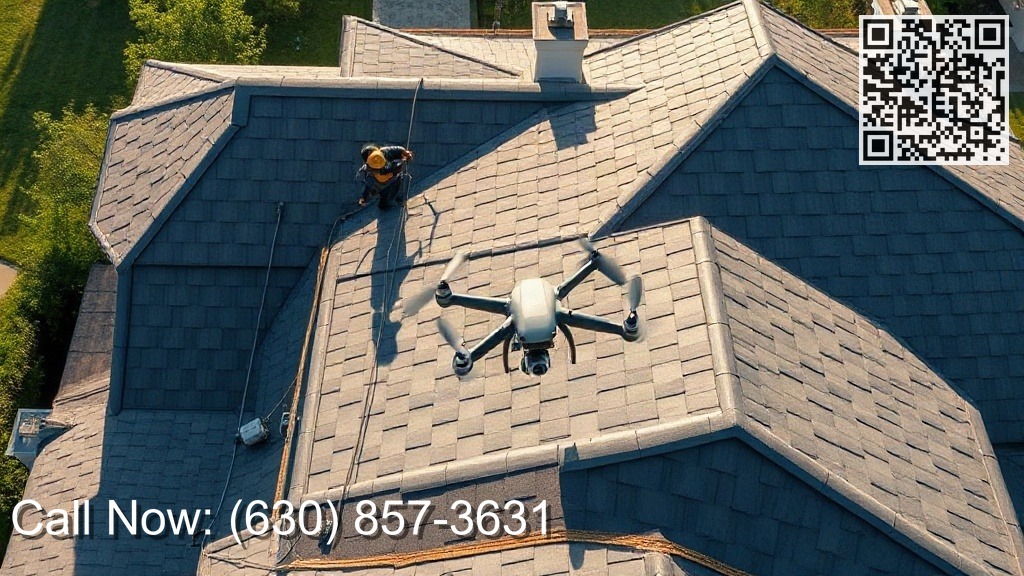
That does not make an artificial roofing system unsusceptible to ice dams. No accountable synthetic roofer should promise that. If the attic is leaking warm badly sufficient, ice will certainly still form. But when ice does back up, the roof covering setting up has a much better chance of holding the line if the material is secure, the underlayment is proper, and the blinking information were executed correctly.
A house owner in Naperville as soon as defined the distinction after changing an aging cedar-look roof covering with an artificial choice. Before the substitute, every heavy snow appeared to generate the very same routine: rake the lower edge, watch for discoloring around a second-floor bed room, and ask for spot repair services in spring. After the brand-new setup, along with attic room air sealing and updated underlayment, the winter season regular altered. Snow still fell, temperatures still swung, yet the duplicated leakage concern stopped. That result was not just the product, yet the product played a real function in producing a more flexible roofing system system.
Impact resistance matters greater than lots of home owners realize
Midwest winters are not just concerning snow and ice. They likewise bring tree arm or leg strikes, hail put inside cold fronts, and wind-driven particles. Roofing systems that survive winter season with fewer repairs typically have one point in common: they endure effect without immediate visible damage.
This is just one of the strongest disagreements for residential synthetic roofing. Lots of synthetic items are rated for impact resistance at degrees that surpass more fragile choices. On paper, that appears technical. In the field, it means a branch that might fracture a natural slate tile or wound an older shingle may leave much less damage on a premium artificial panel or shingle.
The upkeep advantage is not just fewer noticeable breaks. It is likewise less hidden ones. Some tornado damages is subtle. A small fracture or slit may not leakage immediately, however after more freeze-thaw cycles it becomes a trouble. If the roof product can absorb that hit and stay intact, the house owner stays clear of the postponed repair service that typically surface areas months later.
For homes under mature trees, this matters a large amount. In areas throughout synthetic roofing Chicago service areas, older lots are lined with oaks, maples, and elms. They add value and charm, however wintertime storms transform them into roofing system dangers. A roofing material that can shake off the smaller impacts often saves the owner from repeated maintenance calls.
Less weight, less structural concerns
Weight is not the first thing property owners consider after a winter storm, yet it should be part of the discussion, especially throughout an artificial roof covering replacement. All-natural slate and clay ceramic tile are significant materials. They can last a very long time, however their weight places actual demands on the roof covering structure. In an area where roofs already lug snow tons, a lighter roofing material provides useful advantages.
Synthetic roofings resemble the visual depth of larger products while positioning much less tension on rafters and outdoor decking. That does not remove the demand for architectural testimonial, yet it streamlines many projects and can make future upkeep more manageable. Staffs can work extra safely and efficiently on a lighter system, and repair services, if they are ever before required, often tend to involve less customized handling than vulnerable rock or tile.
That ends up being especially pertinent on older homes in the Midwest, where framework may be strong yet not developed for the dead load of premium natural products. A synthetic roof firm that comprehends local real estate stock can assess whether a home is an excellent candidate for slate-look or shake-look synthetics without compeling unnecessary structural modifications.
The installment quality still decides a lot
An inadequate installation can destroy a good product. That holds true for every single roof product, however it is particularly vital with artificial systems due to the fact that homeowners frequently expect a near-premium result and low upkeep from the first day. If the attaching pattern is incorrect, if the starter programs are weak, if the valleys are cut thoughtlessly, or if the flashings are reused when they ought to have been replaced, winter months will subject those shortcuts quickly.
The difference between a roof covering that coasts with February and one that needs March repair work usually boils down to little details that never show up in marketing photos. This is why selecting knowledgeable synthetic roof covering installers matters as much as choosing the product itself. A reputable synthetic roofing contractor Chicagoland house owners can rely upon must comprehend local snow patterns, ice dam zones, community code demands, attic room air flow, and manufacturer-specific installment standards.
When I take a look at roofs that remain trouble-free after serious winters months, I typically see the same things: cautious blinking shifts, strong edge detailing, thoughtful snow and water management, and a team that appreciated layout and direct exposure lines. Artificial roof covering setup is uncomplicated in the abstract, however it does compensate technique. A roof can look gorgeous from the road and still be susceptible if the system beneath was rushed.
Where maintenance cost savings actually reveal up
Homeowners commonly ask whether synthetic roof coverings remove upkeep. They do not. No roof covering is maintenance-free, specifically in a Midwest climate. Rain gutters still need cleansing. Flashings still are worthy of inspection. Branches still need trimming. Sealants around penetrations still age. What adjustments is the frequency and seriousness of material-related repairs.
The cost savings tend to appear in a couple of particular ways:
- fewer split or busted area pieces after freeze-thaw cycles
- less substitute job after small arm or leg strikes or hail events
- fewer persisting leakage examinations linked to brittle, maturing roofing surfaces
- less cosmetic damage on high-visibility roof planes
- longer intervals prior to a major synthetic roof substitute comes to be necessary
That is not an assurance of reduced price in each year. The upfront financial investment for costs artificial roof covering is usually more than typical asphalt. For some homes, specifically straightforward rooflines on small budgets, building tiles remain the appropriate solution. However on bigger homes, steep slopes, customized designs, or properties where proprietors desire the look of slate or cedar without the exact same upkeep account, the lifecycle equation frequently prefers artificial materials.
Aesthetic sturdiness is part of maintenance, too
Homeowners generally think about upkeep as leakages and repair services. Appearance belongs in the discussion too. Winter is difficult on the appearance of a roof covering. Repeated moisture exposure, ice scuffing, blown debris, and sunlight glare mirroring off snow can mature lower-grade materials rapidly. Fading, streaking, damaged edges, and uneven wear make a roof appearance tired long prior to it stops working structurally.
Premium artificial roofing items are often picked due to the fact that they hold their account and shade well. That matters on visible front altitudes, yet it matters even more on homes with complex roof covering architecture where irregular wear stands apart. A roof that maintains its form and finish with multiple winter seasons calls for less area fixes for appearance alone.
This is a big reason artificial roof covering for deluxe homes has actually located such a strong specific niche. On premium domestic projects, owners care about long-lasting visual consistency. They https://travisvpef330.greyhavendaily.com/posts/artificial-roof-for-luxury-homes-struggling-with-serious-midwest-weather-condition want the roofing to age beautifully, not start looking mismatched after the initial repair cycle. Because many artificial lines are made with combined color scheme and shaped texture, replacement pieces can integrate more normally than fixings on weather-beaten timber shake or weak stone.
Not every home requires the same synthetic roof system
One mistake I see is treating all artificial roofs as compatible. They are not. The ideal system depends on the home, the neighborhood, the exposure, and the owner's priorities.
A steep Tudor in a gusty passage outside Chicago might take advantage of a slate-profile artificial with durable fastening and high wind resistance. A large transitional home in Naperville may require a shake-look item that complements stonework and wide roofing aircrafts. A historic-style house might need a more refined account with shadow lines that mimic hand-split cedar or quarried slate. A lake-influenced microclimate may place added focus on wetness losing and bolt durability.
That is where a skilled synthetic roofing firm adds value. The work is not just selling a category. It is matching the product to the house. Great service providers ask the ideal concerns: Just how much tree cover exists? Are ice dams a history on this residence? What does the attic room ventilation resemble? Exist previous leakage areas around smokeshafts or skylights? Is the house owner planning to remain long enough to gain from the lifecycle value?
For those looking into artificial roof covering Naperville IL or wider synthetic roof Chicago choices, local climate understanding is not a minor detail. It is central to the recommendation.
What homeowners need to ask prior to moving forward
The finest artificial roofing projects begin with a reasonable conversation, not a sales pitch. House owners need to comprehend both the benefits and the limits of the product, together with what else needs to happen to reduce winter maintenance.
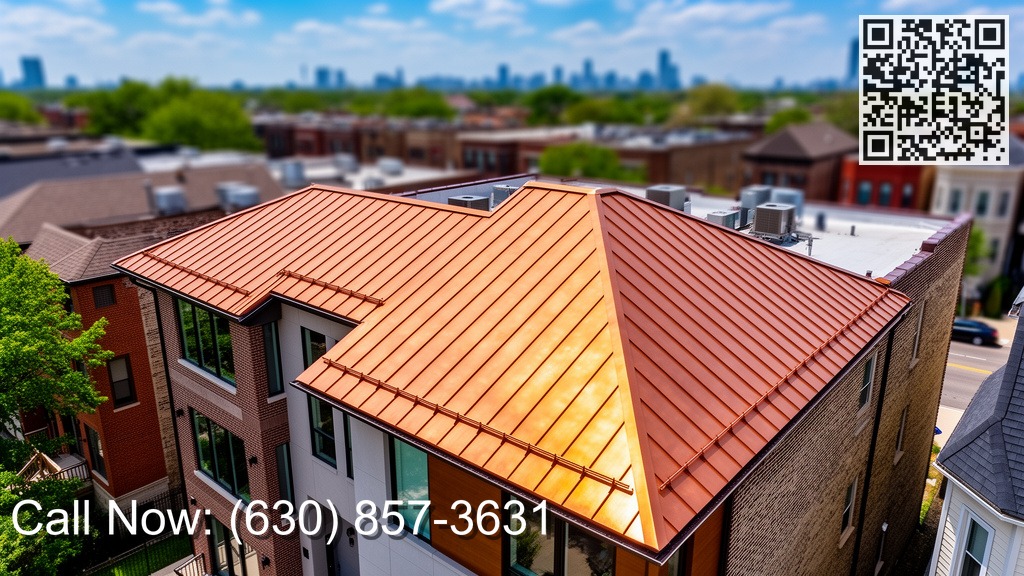
A helpful discussion with an artificial professional roofer need to cover these factors:
- whether the roofing system deck, ventilation, and insulation need improvement before installation
- what impact and wind scores the certain product carries
- how valleys, flashings, ridge details, and eaves will be handled
- what maintenance is still suggested after significant winter storms
- how the service warranty applies to materials versus workmanship
Those questions expose a whole lot about the specialist. Clear, certain responses typically signify field experience. Obscure guarantees concerning a roofing that will certainly never ever require focus usually indicate the opposite.
The functional trade-off: greater ahead of time cost, lower disturbance later
The primary hesitation with synthetic roof is cost. That hesitation is fair. Artificial products typically sit over conventional asphalt in cost, and some premium lines come close to the installed expense of various other premium roof covering groups. House owners need to not be pressed past their spending plan in search of a product they do not actually need.
At the very same time, price should be weighed against interruption. Repetitive wintertime repair services lug their own cost, not only in billings yet in scheduling, interior risk, and home owner stress. A leak that shows up during a deep freeze hardly ever obtains an excellent repair instantly. It gets a stabilization check out, then a follow-up, after that probably indoor fixings after thaw. Avoiding that cycle has value.
For numerous homes, specifically those with demanding routines or second-story roofing system complexity, the most effective upkeep strategy is minimizing the number of winter-related roofing occasions to begin with. That is where synthetic roofs earn their keep. They do not stop winter season from being wintertime. They just offer the home a more resilient shell versus the kind of repetitive punishment Midwest weather condition delivers.
Why this selection keeps picking up speed in the Midwest
The raised rate of interest in synthetic roofing system substitute across Illinois is not difficult to comprehend. Property owners desire sturdiness, lower maintenance, architectural personality, and a product that withstands actual weather as opposed to showroom problems. Contractors and remodelers desire products that install cleanly and execute regularly. Specialists desire systems that minimize callbacks. Synthetic roof rests at that intersection.
When specified properly, building artificial roof covering can offer the look of premium products with a more forgiving upkeep profile after heavy snow, ice, hail, and freeze-thaw cycling. That is a significant advantage in this region. It does not change excellent insulation, great air flow, or excellent handiwork. It does support all three.
After enough Midwest winters months, a lot of homeowners become less interested in roofing concept and more thinking about practical results. Does the roof hold up? Does it stay clear of recurring problem spots? Does it keep the house completely dry without continuous intervention? On lots of homes, especially those with complex rooflines or a background of winter season damages, the solution is increasingly discovered in premium artificial roofing systems mounted by professionals who recognize the climate they are developing for.
When Quality Matters
Salvo Architectural Roofing Contractors
566 West 5th Ave Naperville, IL 60563
(630) 857-3631
 Ask ChatGPT
 Ask Grok
 Ask Perplexity
 Ask Claude
 Ask Google AI
 Ask You